
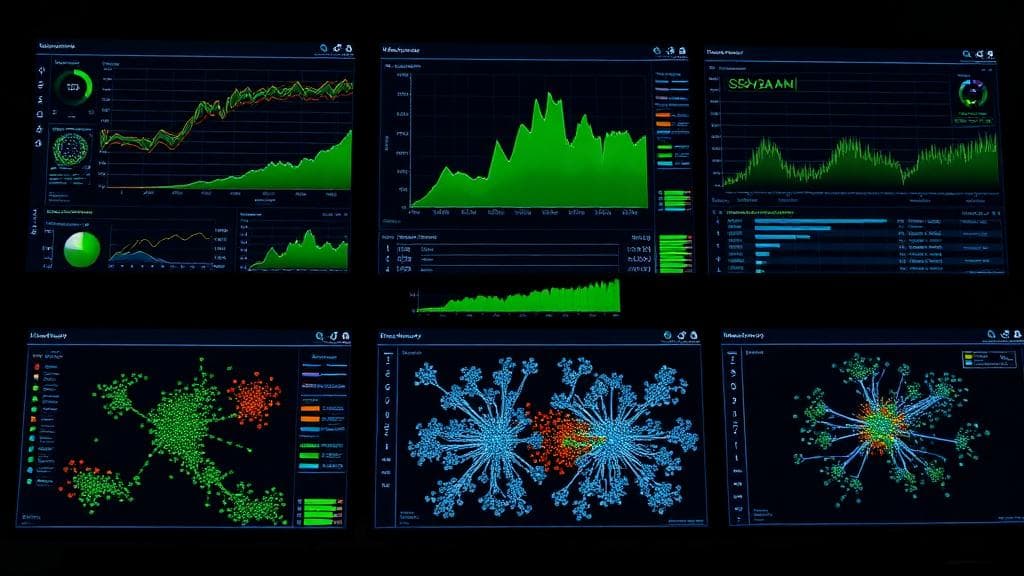
Alert fatigue is one of the biggest hidden drains on IT teams. With syslog and SNMP alerts flooding your consoles, it's easy to miss the true priority incidents that need immediate attention.
At California Telecom, we understand this pain firsthand because we help businesses across California and the nation manage complex networks with clarity and precision.
In this post we explore how you can reduce alert fatigue, turn overwhelming alert noise into actionable incidents, and use AI powered observability tools to bring focus to what truly matters.
What Is Alert Fatigue and Why It Happens
Alert fatigue refers to the desensitization that happens when IT teams are bombarded with far more alerts than they can realistically act on in real time. Common sources include:
- Syslog alert storms from device logs
- SNMP traps from managed devices
- Redundant notifications from monitoring tools
- False positives and low priority warnings
When engineers spend their time chasing noise, it means missed outages, slower response times, and a higher risk of service disruption.
The Real Cost of Alert Noise
Before we dive into solutions, let's be clear about why this matters:
- Productivity drains on your network operations center (NOC)
- Delayed incident response
- Higher risk of downtime
- Stress and burnout for critical staff
In business terms, the cost isn't just time. It's potential revenue loss, customer dissatisfaction, and strategic delays.
How AI Helps Sort the Noise
AI assisted observability tools are changing the way teams manage syslog and SNMP alerts. With machine learning you can:
Identify Patterns and Baselines
AI learns from historical network behavior so it knows what normal looks like. When something deviates, it flags it with confidence instead of just volume.
Correlate Distributed Alerts
Instead of 500 alerts from a single underlying issue, AI can correlate them into a single incident, reducing noise and focusing attention.
Prioritize With Context
Not all alerts are equal. AI can weigh alerts based on severity, business impact, and recurrence, giving teams a priority list instead of a laundry list.
Guide to Reducing Alert Fatigue
Here's a practical framework you can implement:
1. Audit Your Current Alert Rules
- Remove redundant or obsolete alerts
- Set thresholds that reflect real issues
- Tag alerts with metadata (location, device, service owner)
2. Create a Baseline
Let your system run and record normal behavior. This gives context to deviations.
3. Enable AI Driven Alert Correlation
Link alerts to underlying incidents with intelligent grouping.
4. Tune Over Time
AI models improve with feedback. The more you tune, the stronger your signal to noise ratio becomes.
5. Integrate With Incident Management
Make sure your monitoring alerts feed directly into your existing incident workflows.
Turning Noise Into Priority
Here's how the output might change with AI:
| Before AI | After AI |
|---|---|
| 1200 alerts / hour | 75 correlated incidents |
| Multiple duplicate messages | One prioritized incident |
| Alert fatigue among engineers | Focused response to real problems |
| Manual ticket creation | Automated incident creation |
Meet Netverge AI for Smarter Alert Management
When it comes to reducing alert fatigue and improving incident visibility, one of the tools we rely on at California Telecom is Netverge, our AI-powered network management and observability platform.
Netverge was created to help network teams get clear, actionable insights from noisy environments and to make managing complex systems easier and more efficient.
What Netverge Brings to the Table
Netverge gives you a consolidated view of your environment. It collects syslog data, SNMP traps, performance metrics, configuration details, and other signals into a unified platform.
- Smarter Alerts: Filters out low-priority noise and surfaces what truly matters.
- Predictive Insights: Spots anomalies and potential issues before they escalate.
- Automated Fixes: Handles routine problems so your team can focus elsewhere.
- Unified Dashboard: Everything you need to monitor in one clear, real-time view.
Final Thoughts
Alert fatigue is real. It affects your team's focus, your uptime metrics, and your bottom line. But it doesn't have to be your reality. With AI powered observability, meaningful alert correlation, and smart tuning, you can transform noise into prioritized, actionable incidents.